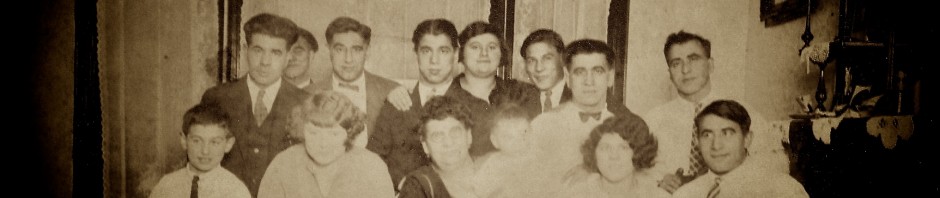
Porche & Richie Plantation Roots
by Phyllis Zeck
In my previous post I wrote about the Baumann branch of my mother-in-law Yvonne Porche Zeck’s family. In my research for that post I stumbled across a fascinating family biography in WikiTree about the Porche branch.
Zenon Porche (1791-1861) was Yvonne’s great grandfather. Zenon’s great grandparents were Jacques Le Porche (1655-1731) and Marie Philiberte Quantain (1675-1745). They immigrated from France to Louisiana in 1720 with their three sons Francois (age 22), Pierre (age 20), Vincent Alexis (age 11) (Zenon’s great grandfather) and their daughter Marie Anne (age 8).
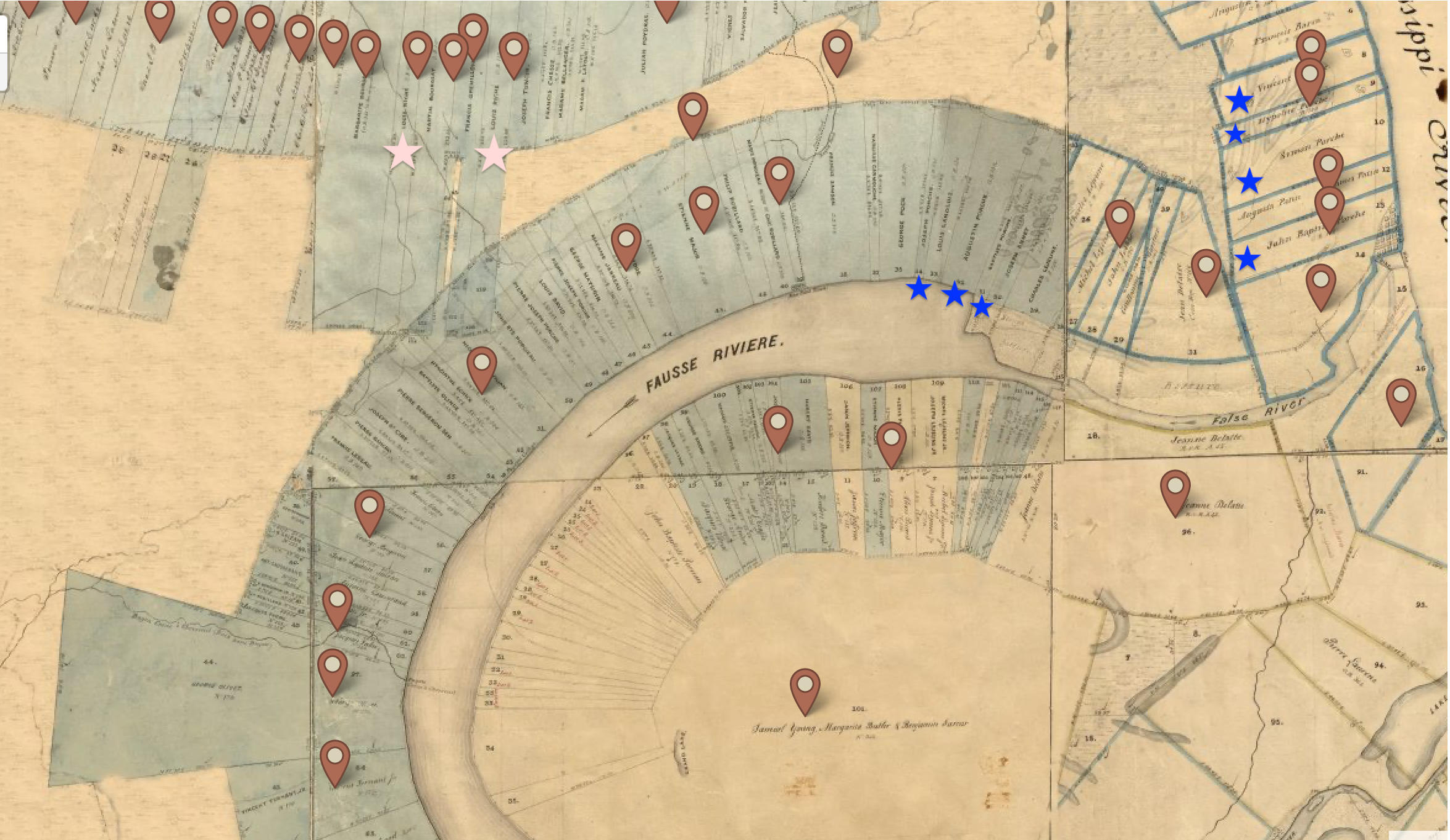
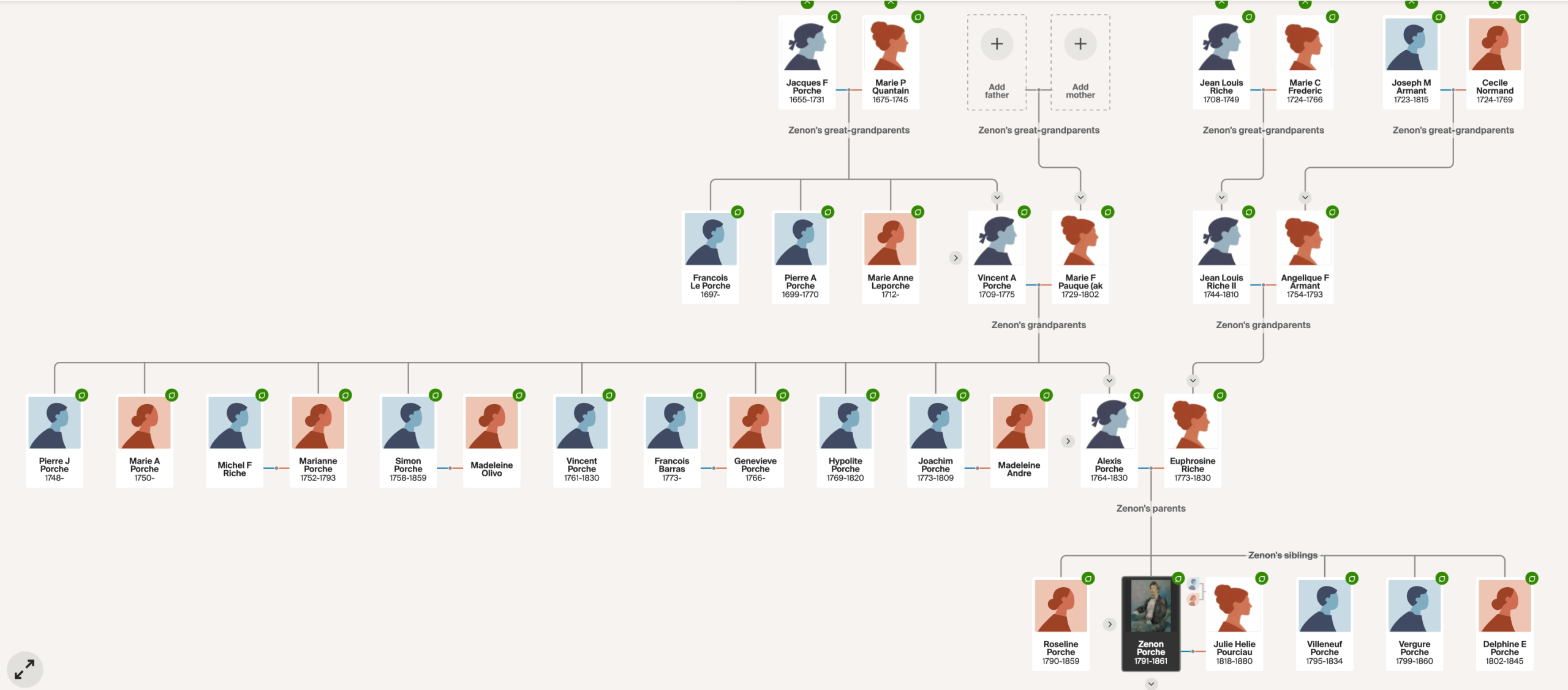 Both sets of Zenon’s grandparents, the Porche and Richie ancestors, owned numerous large plantations along the False River and the Mississippi River about 100 miles north of New Orleans. The map below is courtesy of LSC Berkeley and the Louisiana Slave Conspiracies research team. You can click here to read how they stitched together who owned plantations in the 1790’s. The blue stars were Porche plantations and the pink stars were Louis Riche (Zenon’s grandfather) plantations. One of Louis Richie’s plots was 304 acres, the other was 406 acres.
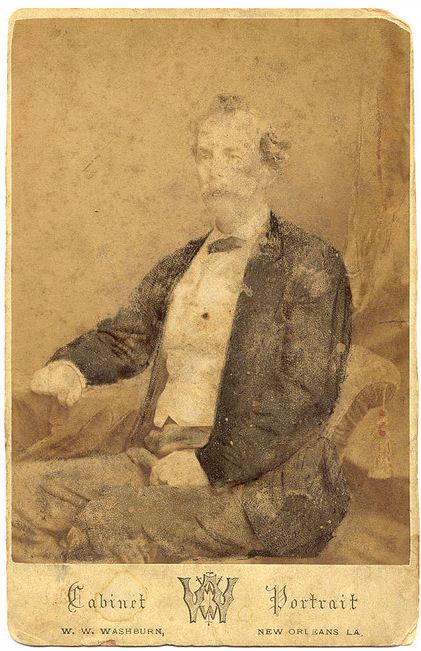
Below is a photo of Yvonne’s great grandfather Zenon Porche (1791-1861). The mother of his children was Julie Helie Pourciau (1818-1880). In the 1850 census Julie’s race is listed as white and in the 1860 census she is listed as mulatto as are all of their children. Zenon’s occupation was a planter, his land value was $110,000.00, his personal estate value was $100,000.00 and he listed 32 enslaved people. He owned a 130 acre plantation which according to Thaddeus (see below) may be a section of one of the Riche plantations.
Below is the actual text from the biography of Zenon along with his ancestors and descendants. This is my first interaction with Wikitree and Zenon’s page is very detailed. The information was provided by Thaddeus Norman. You can see more of what he found about the Porche and Riche families on WikiTree. Thank you to Thaddeus for his detailed research. For source information refer to the link above.
Biography by Thaddeus Norman
 “Between Pointe Coupee post-office and the Grand Levee, the oldest settled portion of the parish [of Pointe Coupee], are the best sugar estates, among them those of Col. F. L. Claiborne, Zenon Porche, Dr. A. Ferrier, E. Cooley, Capt. Morrison McCullum and others.” [1]
Zenon Porche was born on November 28, 1791. He was the son of Alexis Porche and Euphrosine Marguerite Riche.[2] Alexis Porche was the son of Vincent Porche and Marie Françoise Pauque. Euphrosine Marguerite Riche was the daughter of Jean Louis Riche and Angelique Fleurie Armant. Both the Porche and Riche families settled in Louisiana decades earlier and were well established in the community.
The Family & The Pointe Coupee Slave Conspiracy
Zenon’s grandfather, Louis Riche, owned two tracts of land along the Mississippi river northwest of present day New Roads, LA [3]. He also owned many slaves, some of whom testified to the committee investigating the Pointe Coupee Slave Conspiracy of 1795 [4][5], as did some of the slaves of Zenon’s grandmother Marie Francoise Poche’s (the widow Porche)[6][7][8]. Zenon was just a child when this conspiracy occurred so it is not clear to what extent he was aware of these happenings. However, he grew up in a family with extensive slave holdings. In the 1810 census Louis Riche is listed as owning 52 slaves [9] and in the 1820 census Zenon’s father, Alexis Porche, is listed as owning 73 [10]. Zenon is not enumerated in either of these censuses, but he is likely one of the free white male persons 26 to 44 in Alexis Porche’s household and one of the free white male persons 16 to 25 in the household of Louis Riche. Zenon first appears in the US Federal Census in 1830 [11]. There he is listed as owning 24 slaves.
War or 1812
During the War of 1812 Zenon served as 2nd Lieutenant in De Clouet’s Regiment of the Louisiana Militia and fought in the Battle of New Orleans alongside many of his relatives, friends, and neighbors [12]. After the battle he would return to Pointe Coupee to acquire slaves and land.
The Zenon Porche Plantation
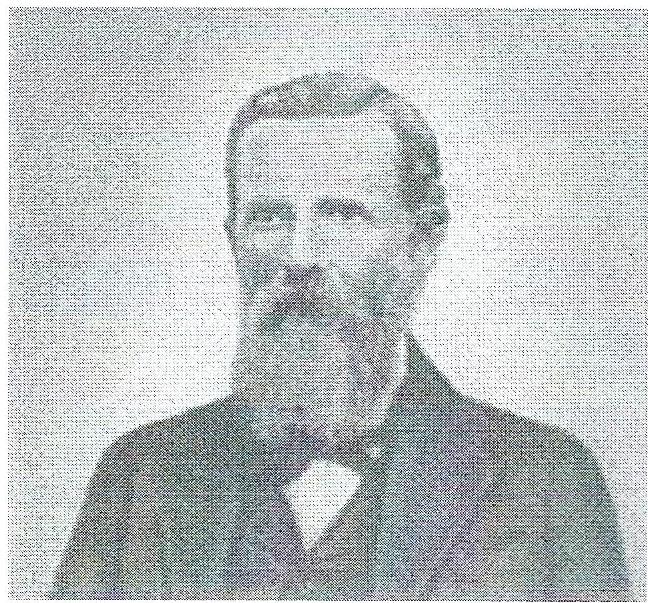
Jean Arthur Porche (1842-1916) Zenon’s son
Over time Zenon would acquire what would become known in his era as the Zenon Porche Plantation [13]. This estate appears on “Norman’s Chart of the Lower Mississippi River”, which is a map created circa 1858 by Marie Adrien Persac and published by Benjamin Moore Norman [14]. It is a map of the plantations along the Mississippi river from Natchez to New Orleans. On this map Zenon is shown owning a slice of Mississippi riverfront in Pointe Coupee parish northwest of the court house in New Roads, and owning land along the Mississippi river in West Feliciana Parish. The location of the land in Pointe Coupee Parish overlaps with land of Louis Riche’s former estate surveyed in 1805[15][16], suggesting that Zenon inherited all or part of this land from Louis Riche or Euphrosine Marguerite Riche, Zenon’s mother. However, Brian Costello suggests Zenon purchased the property from the Croziet family in 1831, and built what is now known as the Labatut House on this property afterwards [17]. Analysis of the building’s material and architectural style of the Labatut House suggests the house was built sometime in the late 1830s or early 1840s [18]. This time frame falls after the death of his mother and when Zenon first appears living independently of his relatives. From 1830 to 1850 Zenon’s slave holdings would grow from 24 to 74 people[19], but in 1860 it appears to have declined to 42 people[20]. Many of these enslaved people were baptized in the Catholic Church and received other sacraments[21]. The West Feliciana Parish land was owned jointly with his brother, Villeneuve Porche. After Villeneuve’s death in 1834 Zenon would own the property jointly with Villeneuve’s widow and children[22].
Ermine Barra & Hypolite Porche
In the 1830 US Federal census Zenon is the only free person in his household, but in the 1840 census two free people of color (fpc) are living with him[23]. One was a male between the ages of 36 and 54, and the other was a female between the ages of 1 and 10. It is not clear who the man was, but the girl was most certainly Zenon’s daughter Ermine (Barra) Porche, whom he is said to have had with a free woman of color (fwc) by the name of Armantine La Fleur. In 1850 Ermine Porche appears as a part of Zenon’s household, and is stated as being 16 years old[24]. Ten years earlier she would be between the 1 and 10 age range matching the age range of the colored child living with Zenon at that time.
The household enumerated next to Zenon’s in the 1850 census was that of Hypolite Porche[25]. He was a free man of color (fmc) approximately 36 years old and worked as an overseer, possibly at the Zenon Porche Plantation. It is not clear what familial relationship Hypolite had with Zenon. This Hypolite Porche is not the fmc son of Zenon’s uncle Vincent Alexis Porche and Adelaide Carmouche, fwc, for that Hypolite was living with Adelaide in 1850[26]. Nor is there any current knowledge of Zenon having a fmc son by the name of Hypolite. It could be the case that Hypolite is a son of Zenon’s uncle Hypolite Porche who died in 1819. Zenon is known to have had dealings with other fmc members of the Porche family who are likely sons of his uncle Hypolite. In 1821 Hypolite’s son Joachim Porche, fmc, sold whatever claim he had to a property in Hypolite Porche’s estate to Zenon Porche for $705.25[27]. The following year Hypolite’s son Zenon Porche, fmc, also sold whatever claim he had to a property in Hypolite’s estate to Zenon Porche for $705.27[28]. Zenon’s 1850 neighbor, Hypolite Porche, could also be the fmc person in Zenon’s 1840 household, but Hypolite would have to be a different age than is stated in 1850 and 1840.
Julie, Pauline, Arsene & Onil Bourgeat[29]
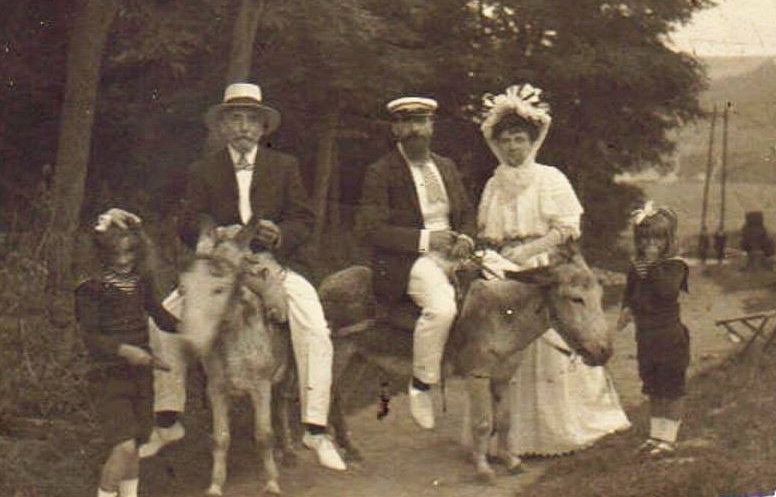
Charles E. Porche (left) (1856-1925) and Auguste Hilaire Porche (1846-) Zenon’s sons
Zenon’s 2nd cousin Onil Bourgeat, their common great grandparents were Louis Richeand Marie Catherine Frederic, agreed to emancipate his slaves Pauline and her mother Arsene. Arsene agreed to pay Onil $1,500 for this emancipation. Arsene paid $600 for her own freedom and received the legal paperwork. Later, a friend paid the remaining $900 for Pauline’s freedom. Shortly afterwards, Pauline gave birth to a girl named Julie. Onil demanded an extra $100 for Julie’s emancipation, which was also paid. In 1852, Onil finalized Pauline’s emancipation, but he didn’t include Julie in the documentation. Both Arsene and Pauline’s emancipation were legally approved by the authorities. After Onil’s death in 1853, Julie was listed as property in his estate, and the executor of the estate was preparing to sell her. Pauline filed a lawsuit to stop the sale and have Julie’s freedom recognized. Zenon testified in this case. The case would eventually be settled by the Supreme Court of Louisiana. The court’s ruling was complex. The judges ruled that Julie was not free, reversing the lower court’s decision. They did, however, block the sale of Julie and ordered that she be given to Pauline since the contract for Julie’s emancipation had been proven[30]. Ultimately, Julie gained her freedom, but in a way that upheld the institution of slavery.
Julie Pourciau, “Madam Zenon Porche”
Zenon would come to have a long term relationship with Juile Pourciau, fwc. It is not clear when the relationship started, but Julie likely began living with Zenon around 1841. At this time runaway slaves from plantations neighboring the Zenon Porche Plantation were said to have set up camp on the property of “Madam Zenon Porche” [31], which is most likely a reference to Zenon and Julie’s co-habitation on his estate. Zenon and Julie would have 8 children together. They were: Jean Arthur, August Hilaire, Leontine (Tounoir), Louis Alphonse, Jules George, Julia Georgina (Bertrand), Marie Alice (Juge) and Joseph Alphonse.
The couple would remain together till Zenon’s death in 1861, and Zenon is said to have had his sons Jean Arthur, fmc, and August Hilaire, fmc, educated in France[40]. Jean Arthur returned to America from France in 1860[41], but August Hilaire married in Paris on January 4, 1893 and is not known to have returned to America[42].
Between 1850 and 1860 there were two, perhaps three, other free women of color if Zenon’s house. They were Susan Porche and Hhgercinkte Porche, who appear in the 1850 census[43], and Hyacinthe Pourciau, who appears in the 1860 census[44]. Its is not clear how these women are related to Zenon and Julie. However, Jean Arthur named one of his daughters Susan[45], which suggest he had some fond memories of her. Hhgercinkte Porche and Hyacinthe Pourciau might be the same person. In 1850 Hhgercinkte is stated as being 48 and in 1860 Hyacinthe is stated as being 55. So the women are about the same age, and Hhgercinkte could be a mishearing of Hyacinthe. Interestingly, in 1860 Julie, Hyacinthe and all of Zenon’s children bear the surname Pourciau. This suggests Hyacinthe was one of Julie’s relatives. Curiously, these two women and the children are listed as being in a different household than Zenon even though they occupied the same dwelling with Zenon.
Political Career & Support for the Confederacy
Towards the end of his life Zenon appears to have become more civically minded. In 1858 he was appointed a Commissioner of Elections for the Sixth Distict in Pointe Coupee Parish by the Parish Police Jury[46]. P. Caret, Michel Villeret and L. B. Dayeries were appointed as co-commissioners. During the early days of the Civil War the Pointe Coupee Parish Police Jury passed a resolution to allow bond holders to cash in their bonds and have the funds appropriated for military purposes. Zenon cashed in $500 worth of bonds for this purpose[47]. Zenon was the largest bond holder in this effort and his funds represented nearly 17% of all money collected in June 1861. Yet in spite of this, it is not clear if Zenon was an enthusiastic supporter of the Confederate cause. Many of Zenon’s relatives, including his son August Hilarie, were residing in Paris during the war. Zenon was issued a passport on May 1, 1860 when both sons were in France[48]. So it is conceivable that Zenon intended to ride out the Civil War in France with his family.
Death & Legacy
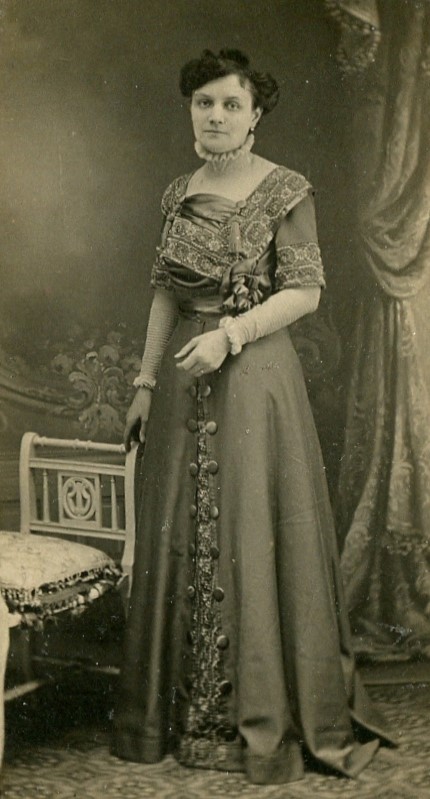
Marie Alice Porche (1859-1938) Zenon’s daughter
Zenon’s intended use for his passport will never be known, for he died around August 21, 1861 in Pointe Coupee, LA[49]. He died a very wealthy man. In the 1860 census he is stated as owning property with a total value, including slaves, of $210,000[50]. This made him one of the richest men in Pointe Coupee Parish. At this time in history it would have been illegal in Louisiana for Zenon to make any of his acknowledged children beneficiaries in his will because they all had African ancestry. Thus, before he died he is said to have given each of his acknowledged children $5,000. There is probably much truth to this story, though the actual dollar amount given may not be knowable. In her will Marie Alice Juge stated she inherited property from her father, Zenon Porche, and in the 1870 US Census Jean Arthur Porche is listed as owning property with a total value of $8,000[51].
In his will Zenon gifted a considerable amount of money to his nephews and nieces[52]. He gave $5,000 to each of the following: Auguste Ferrier, Leon Ferrier, Estelle Ferrier, wife of Pierre Poutz, Rosa Ferrier, widow of Azby Destrehan, Elodie Porche, wife of Frederick Durrive, Melinia Porche, wife of A. A. Kaufmann, Kaufmann minor child of Melinia Porche, A. A. Kaufmann, husband of Melinia Porche, Rosa Porche, wife of E. B. Dayeries.
Zenon’s Ferrier nephews and nieces where the children of his sister Delphine and her husband Dr. Auguste Ferrier. His Porche nieces were the children of his brother Villeneuve and his wife Carmelite Le Doux. Zenon also gifted a $20,000 endowment to Poydras College[53], which is now used as a community center.
The Labatut House
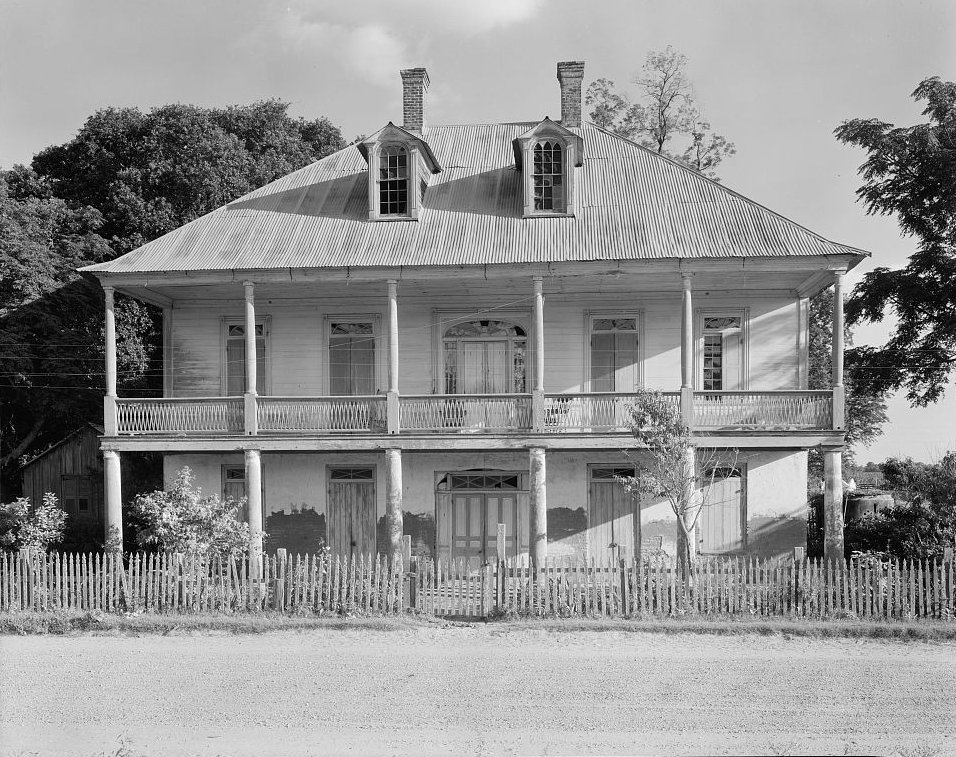 A strange series of events resulted in the house Zenon Porche built and lived in with Julie Pourciau, fwc, and their children becoming known as the Labatut House. Zenon died in August 1861 during the early days of the US Civil War (1861 – 1865). None of his children could inherit the house due to their African ancestry. The executor of Zenon’s estate, Evariste Barra, died in 1863, before the estate could be settled. Evariste’s nephew Jules Labatut became the new executor of the estate[54]. Both men were cousins of Zenon Porche. Their common ancestors were Vincent Porche and Marie Françoise Pauque. Like many Southerners Jules had become heavily indebted after the war, and much of his property was sold at auction to settle debts owed to the Bank of Kentucky and others[55]. His creditors also tried to seize the estate of Zenon Porche for payment of these debts. Jules, on behalf of Zenon’s beneficiaries sued to prevent the seizure. The case was ultimately settled in 1871 by the Supreme Court of Louisiana[56]. The court decided in favor of the beneficiaries of Zenon’s estate, ruling that the estate was not Jules’ personal property, thus it could not be seized to repay Jules’ debts. In 1872 Jules Labatut’s wife Marie Clelie Ranson would buy the house at a sheriff’s auction for $25,000[57]. Their descendants owned the house when Robert W. Tebbs photographed it during his 1926 photographic tour of Louisiana plantations[58]. After this the house became known as the Labatut House.