"A family tree can wither if nobody tends its roots."

May17th2026

From Opi to Opportunity: The Moscati Family’s New York Beginning

by  Phyllis Zeck

Ron Moscati emailed me several years ago with an interesting story about his ancestors. You can read about his amazing career as a decorated photojournalist and Pulitzer finalist at the Greater Buffalo Sports Hall of Fame.

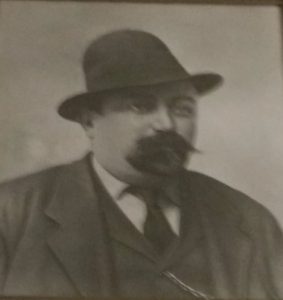
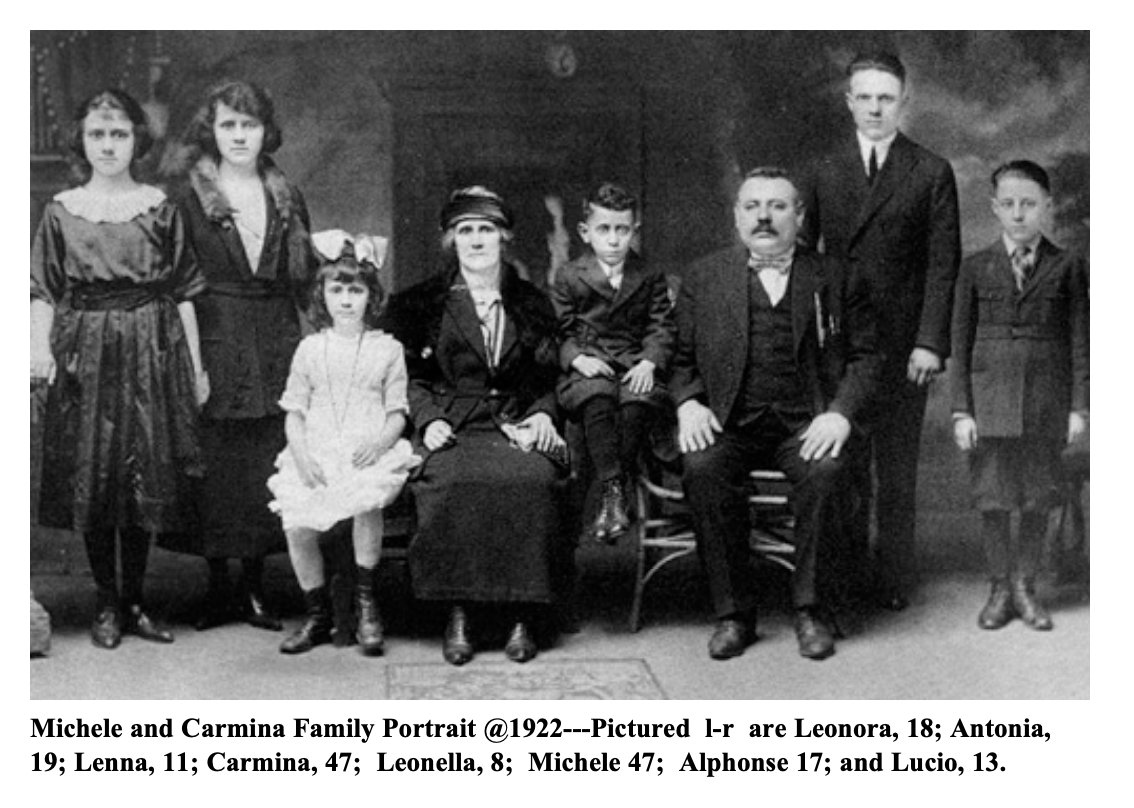
Ron’s grandparents were born in Opi, Italy and passed away in Niagara Falls, New York. Michele Cesidio Moscati married Carmina Leone and they had 6 children: Antoniette (1903-1993), Alphonse (1905-1984), Leonora (1907-1990), Lucio Cesidio (1909-1972), Lenna (1912-) and Leonelle (1913-1984). 
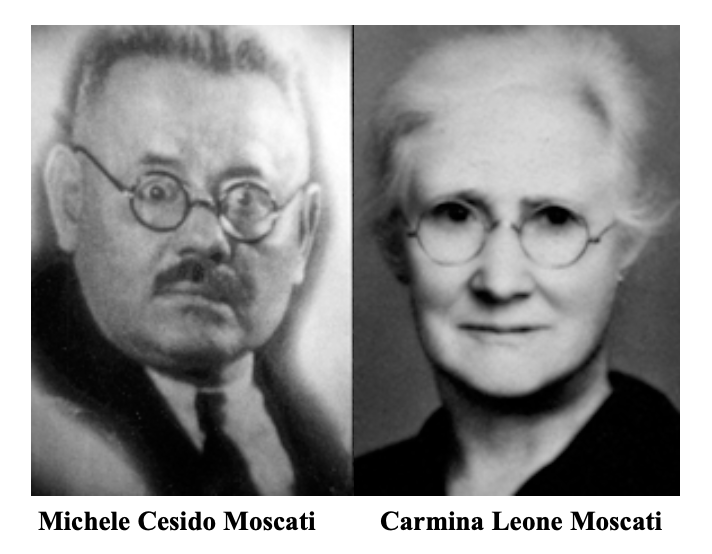
The Moscati’s appear to share ancestral ties with the Ursitti family, as does my own line. Filomena Ursitti is my 2nd great grandmother. Michele’s grandmother’s maiden name was Ursitti. Additional research into my Ursitti ancestry is needed before I can connect our dots. 

Ron wrote: “Michele and Carmina Moscati emigrated from Italy around 1901, likely leaving from Naples aboard a ship to New York City. They lived in NYC for about 15 years and the family received citizenship on May 16,1910. 

In 1915 the Moscati family moved to a farm near Silver Creek, N.Y. outside of Buffalo. The farm was owned by Carmina Leone’s family. They eventually left the farm and bought some property which included a large building with two stores and an upstairs apartment in Niagara Falls on Main Street near Ontario Ave.

There for many years they operated the stores which included a music store where they sold piano player roles, records, etc. The second store was a tobacco and grocery store which was connected to the music store by a two step passageway inside.

Michele was a very generous and likable man who became a padrone for the many immigrants arriving in Niagara Falls. Padrone in Italian means owner or in slang “the top guy”.
He did well in business but hit the “jackpot” when the railroad that went across the Whirlpool Rapids Bridge to Canada was forced to buy his property that stood near the tracks. There had been many deaths of people trying to walk across the tracks and public opinion made the railroad decide to build a viaduct at this crossing. Today that viaduct is located on what was the original Moscati property.

Michele then moved his family and opened two stores on Highland Ave. in Niagara Falls. The family lived above the stores until he built a large stone house on Grove Ave., off of Highland Ave. Today that old stone house, two and a half stories high and boarded up, still sits abandoned on Grove Ave off of Highland Ave.

The family was prospering now and Michele became even more generous to the Italian immigrants living in the area. He loaned and gave money outright to those that needed help. He trusted the people and had faith in that they would repay what he would give them.Moscati FamilyUnfortunately, the great depression came along in the 1930’s and he lost most of his fortune when the people he helped were unable to pay back the money he had loaned them. He ended up having a stroke in 1932 that left him without speech and with a shuffle to his walk. He died from a second stroke in 1935.
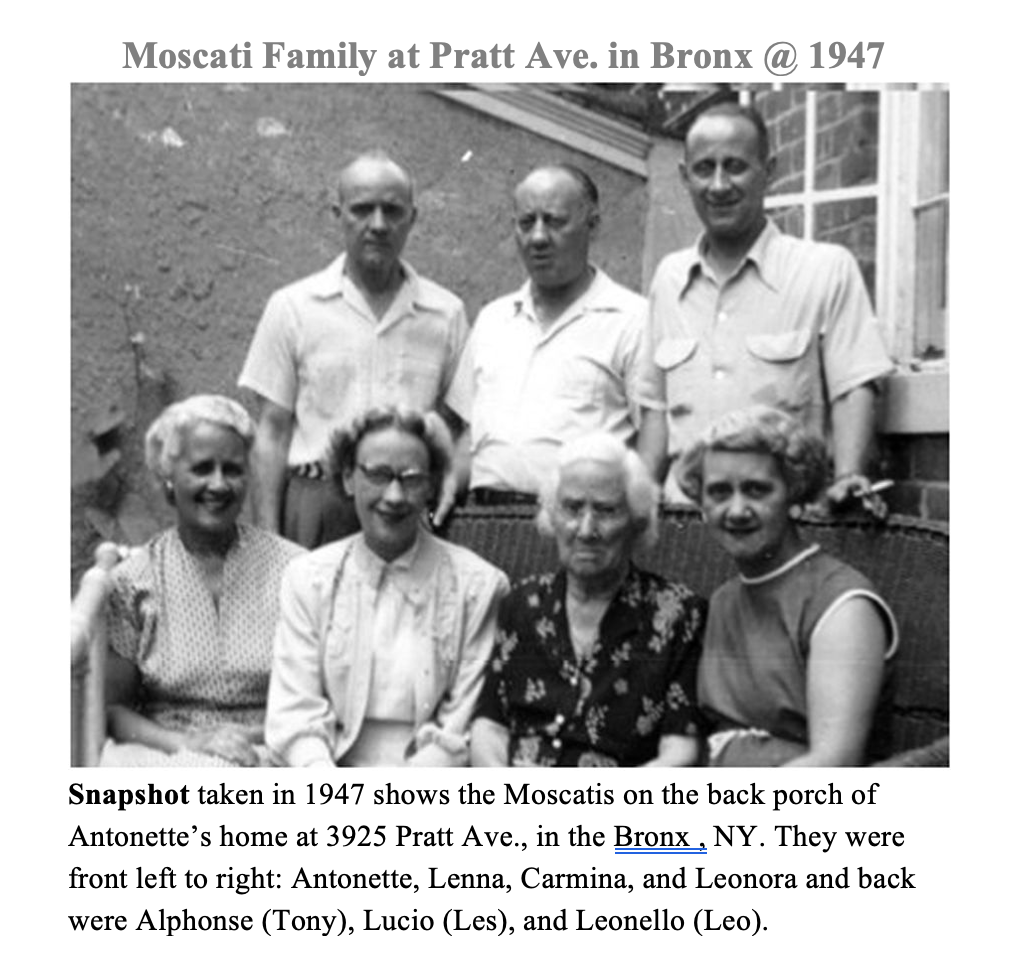
Antonette and Leonora told of walking across Niagara Falls trying to collect the debts owed to the family, but with little success. Eventually the children went their own ways with their families. Carmina went to live with her daughter Lenna’s family who stayed in Niagara Falls along with Leo and Lucio’s families. Tony, Antonette, and Leonora lived in New York City with their families. The sisters had all married the children of fellow immigrants from the Abruzzi region of Italy.”

Ron is no longer with us but he was very invested in genealogy. Ron pointed me to a document by Graham Millar found in the digital records at Buffalo State University titled “Edison Street Baptist Church, The First Italian Baptist Church In The United States“.  You can download the PDF to read the document. In part Graham discusses the origins of Pescasseroli and Opi, how the village came to be divided into two groups—Roman Catholics and Protestants as well as why so many Italians immigrated to the United States. You’ll see many of our family names in his document. 

One last document you might find interesting is a newspaper article I found from the Buffalo Courier Express 1908. You will need to enlarge the PDF to read the article. A whole page is dedicated Italian immigrants living in Buffalo, among them a large community from the town with “the musical name” of Pescasseroli. The article tells a story of how Pescasseroli’s name originated. Of course, it began with a love story. The first immigrant to the area in 1881 was Cesidio Saltarelli. The next year several other families joined him: Ursitti, Gentile, Notarantonio, Finamore, Sabatin and Daddario. In the Buffalo 1912 directory Cesidio was living at 50 Roma Ave and was a laborer. 

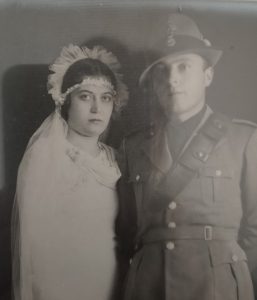
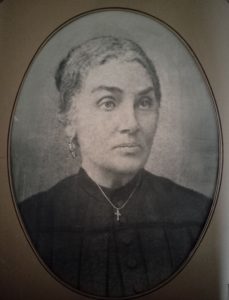
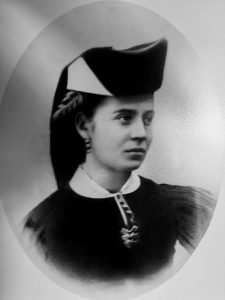
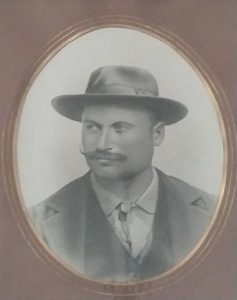
Thank you to the Moscati family for their story and photos. 


Apr3rd2026

Alessandro Ursitti & Amelia Maria Gentile

by  Phyllis Zeck

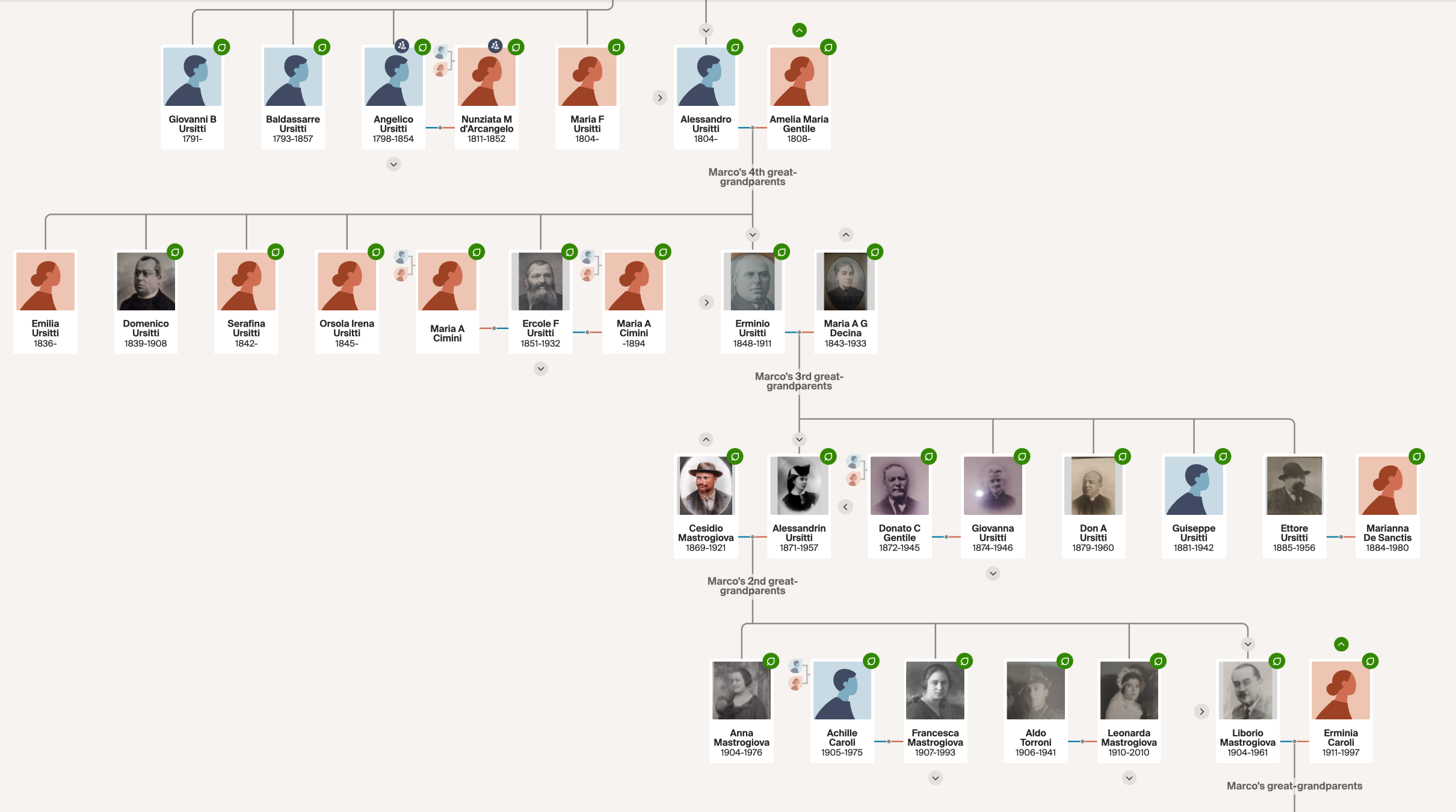
In the previous post I wrote about Marco’s ancestors. Marco sent me additional photos which include the descendants Alessandro Ursitti and Amelia Maria Gentile. Marco shared the story below about their lives together:

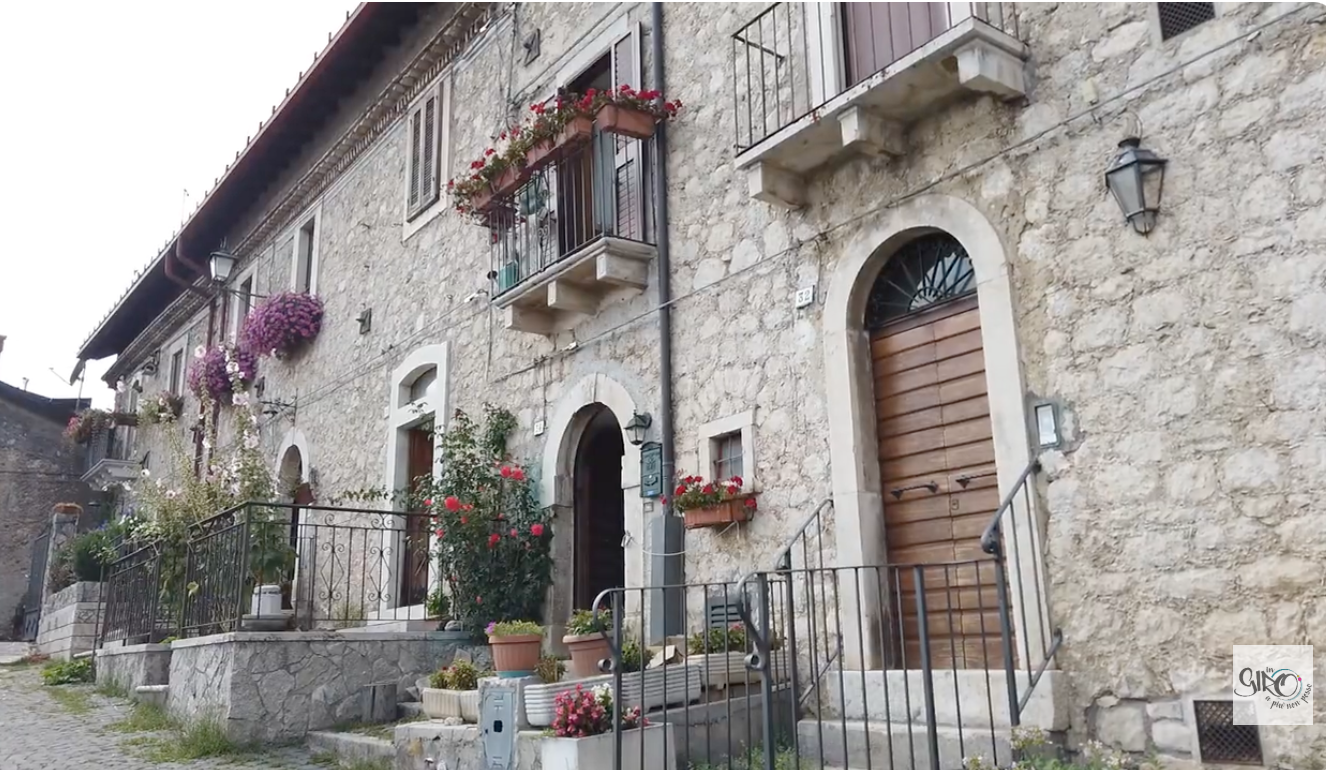
Opi Itay“It all begins on July 21, 1834 in the Church of Santa Maria Assunta in Opi, when Alessandro Ursitti (son of Domenico Ursitti and Nicodema Serafina Cocuzza) and Amelia Maria Gentile (daughter of Macario Gentile and Maria Giovanna Paglia) were united in the sacred bond of marriage. Both came from very well-off families in Opi.

From their marriage, six children were born: Emilia (1836–?), Don Domenico (1839–1908), Serafina (1842–?), Orsola Irene (1845–?), Erminio (1848–1911), and Ercole Felice Ursitti (1851–1932).

I haven’t found much information about Emilia and Orsola, but this summer I will go to Opi to look for their graves.

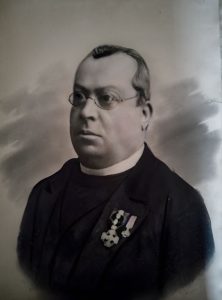
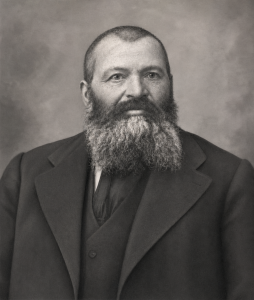
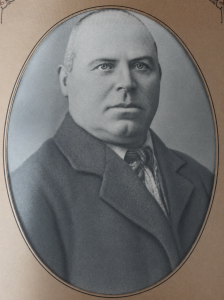
The three Ursitti brothers (Don Domenico, Erminio, and Ercole) were the ones who led the Ursitti family to prosper beyond expectation. Don Domenico was a parish priest and mayor of Opi from 1876 to 1888. 

Ercole Felice Ursitti was married twice: his first wife was Maria Alessandrina Cimini, with whom he had five children: Anselmo (1881–1941), Alessandro (1884–?), Giovanni Battista (1887–?), Antonio (1889–?), and Quinto (1892–?). 

After Maria Alessandrina’s death, Ercole married Maria Adelina Cimini (her sister), with whom he had five more children: Massimo (1894–?), Raffaele (1896–?), Ottavio (1898–?), Vittorio (1900–1985), Maria Mezia (1903–1991), and Anna (1911–2002). 

Marco continued his story:
“Cesidio Nicola Mastrogiovanni was born on June 2, 1869, in Scanno (the pearl of Abruzzo). His parents were named Liborio Mastrogiovanni (1839-1909) and Francesca Cellitti (1840-?). After him, Egidio Mastrogiovanni was born (1871-1933). Cesidio came from a well-off family (as almost all families in Scanno were). From research carried out over these years, I discovered that he was related to the Carbone family (his great-great-great-grandmother was named Francesca Carbone) and he was a descendant of the Portuguese royal dynasty of Burgundy (sovereigns of Portugal in the mid-1400s). Cesidio grew up there with his family for a long time. By profession, he was a property owner (like most of his family).

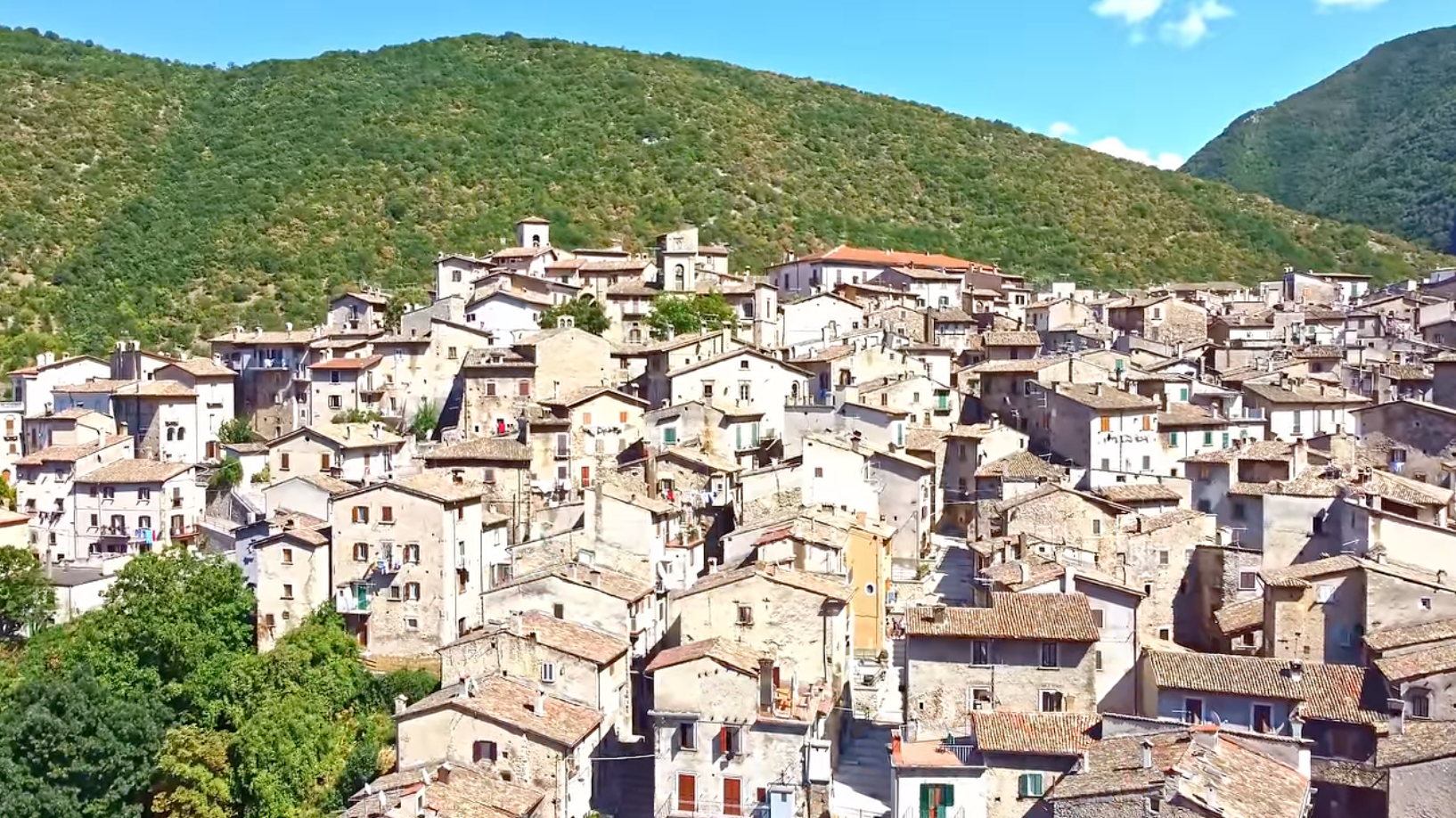
Scanno, Italy Egidio, on the other hand, was a general practitioner. He studied and graduated in Naples at the end of the 19th century. The family had lived in Scanno since 1649. It is a small village built on a hill that, according to some stories, resembles a small bench. In fact, it is said to derive from the Latin Scamnum (stool).  There are many families residing there.

On August 30, 1894, in Opi, Cesidio married grandmother Alessandrina Ursitti (1871-1957). Shortly after, in September of the same year, he moved together with his wife and brother to Strada Se Angelis 48 (now Strada De Angelis 30), where he bought the family palace (still standing) from his cousin Don Francesco Di Rienzo (local gentleman).

The building now has a different shape, but it used to be majestic. Cesidio and Alessandrina lived on the lower floor, while Egidio occupied the entire upper floor. The latter never married. On April 9, 1904, twins were born: Liborio (my great-grandfather) and Anna (nicknamed “Annina”). Later, in 1907 and 1910, two other daughters were born: Francesca (nicknamed “Checchina”) and Leonarda (nicknamed “Dina”). Suddenly, however, the harmony that filled these children’s hearts vanished when, on February 9, 1921, during his stay in Cerignola (province of Foggia), grandfather Cesidio died. The children, saddened, decided to bury him in Cerignola (I do not really know why).

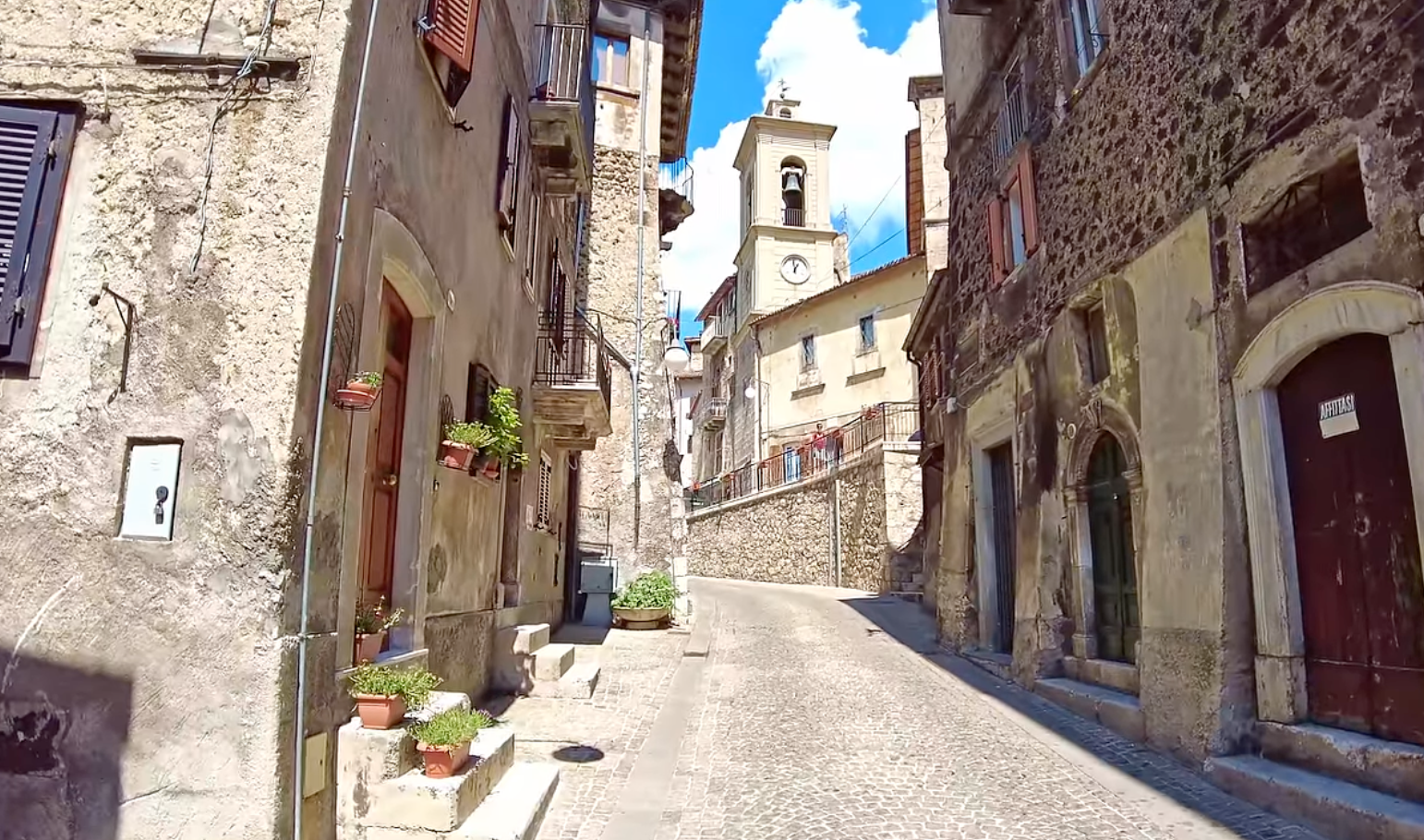
Scanno, Italy In 1929 Annina married Filiberto D’Orazio (1904-1996), originally from Bisegna. From their marriage, which took place in Scanno on September 27, 1929, three daughters were born: Maria (1931), Antonietta (1932-2025), and Alfonsina (1937-1947). Annina lived the rest of her life in Bisegna until July 28, 1976, when she died near the hospital in Sulmona.  

Aunt Checchina, on the other hand, married Torquato Achille Caroli (1905-1975), originally from Colli di Monte Bove (a hamlet of Carsoli), on October 29, 1933, in Scanno. From their marriage, four children were born: Benedetto Antonio (1934-2009), Edmondo (1938-2010), Antonio (1940-2003), and Aldo (?). Aunt Checchina died in Colli di Monte Bove on June 6, 1993.  

In the meantime, however, Egidio (Cesidio’s brother) had died. His part of the building dated back to my great-grandfather Liborio (still a bachelor). On June 21, 1937, Liborio married Erminia Caroli (1911-1997), cousin of Torquato Achille. From their marriage, 4 children were born: Cesidio (1938), Matteo (1940), Carlo (1944), and Alessandra (1952). I am Matteo’s grandson.  

And finally, in 1938, Dina married Aldo Torroni (1906-1941), originally from Soriano nel Cimino, with whom she had 4 children: Olga (1939), Antonio (?-2024), Aldo (?-?), and Giuseppe. Among all the siblings, Dina was the only one to reach 100 years of age before passing away on December 4, 2010, in Rome.  

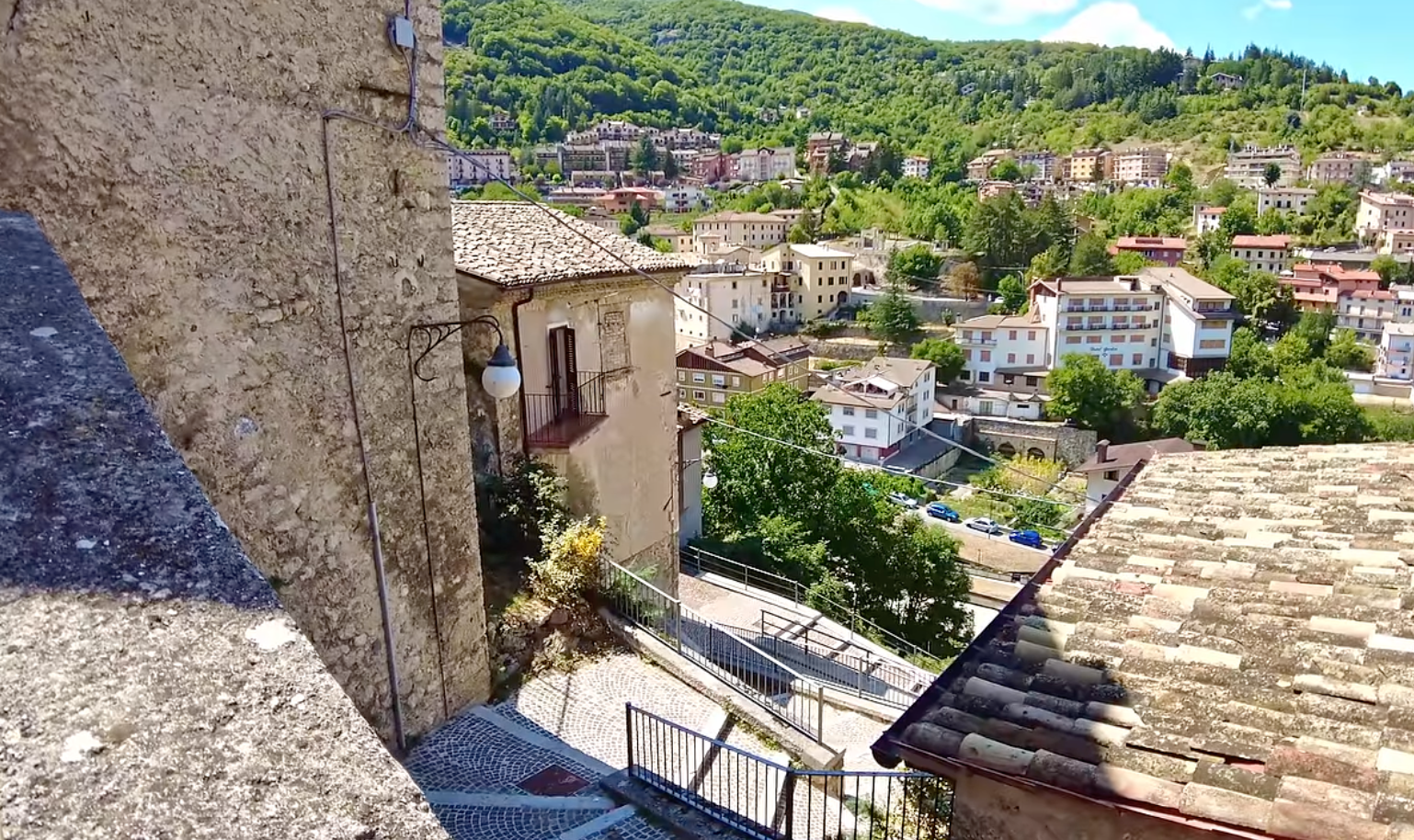
Scanno, Italy The building, after the death of Cesidio and Egidio, was divided equally between Liborio and his sisters, since the latter had inherited from his uncle the upper floor of the building. Later, Liborio and Erminia moved to Rome. Having been widowed for a long time, grandmother Alessandrina moved with them, living in the same house.

She lived in peace for the rest of her days. She died on November 25, 1957, at the age of 85 and a half. She was buried in Scanno. Then, on September 16, 1961, my great-grandfather Liborio died following a heart attack. He, like his mother, was buried in Scanno… but not in a simple tomb! He was buried in the same tomb where the remains of Uncle Egidio and his grandfather Liborio were. Grandma Erminia remained a widow from 1961 to 1997. She died in Rome on December 19, 1997, at the age of 86.” 

Grazie, Marco. Ho apprezzato i nostri scambi di email e l’aver ascoltato le storie della tua famiglia, insieme a queste meravigliose fotografie.


Mar28th2026

Ursitti Family Line From Opi, Italy

by  Phyllis Zeck

Last year I received an email from Marco which included some photos of his ancestors. Marco and I are connected through the same ancestors: Domenico Ursitti (1769-1829) and Nicodema Serafina Cucuzza (1775-1838).

Marco wrote:  “My paternal great-great-grandmother was from Opi. Her name was Alessandrina Ursitti (daughter of Maria Anna Giacinta Decina and Erminio Ursitti). Alessandrina married Cesidio Mastrogiovanni. They had 4 children: Liborio (1904-1961), Anna (1904-1976), Francesca (1907-1993) and Leonardina (1910-2010). 


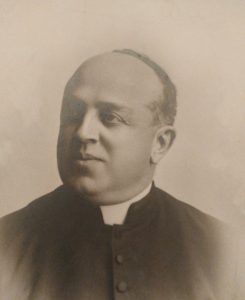
Alessandrina was the sister of Don Alessandro Ursitti (1879-1960), who was parish priest of Opi from 1902 to 1960 (the year he died). Their other siblings were: Giovanna, Domenico (1879-1908), Alessandro and Ettore.

We are related through our ancestors Angelico Ursitti (my 3rd great grandfather) and Alessandro Ursitti (Marco’s 2nd great grandfather).” Both are the sons of Domenico Ursitti and Nicodema Serafina Cocuzza.  


Mar22nd2026

Where Our Roots Took Hold

by  Phyllis Zeck

Looking for something to watch now that the Olympics are over? Youtube has some great  videos highlighting Pescasseroli and Opi. To access closed captioning just click on the gear at the bottom of the screen, click on subtitle, click on auto translate and select English. Leave the volume up. It’s great fun to hear the video narratated in our ancestors beautiful Italian language. Click this link for a 7 minute tour of Pescasseroli.   

The second video that I found is almost 30 minutes and packed full of information about Pescasseroli. The narrator interviews many noteworthy people of the community including the parish priest at the church of Saints Peter and Paul. It’s a joy to see the detailed stained glass and statues where our ancestors were baptized, married and worshiped. Click here to watch the video. 


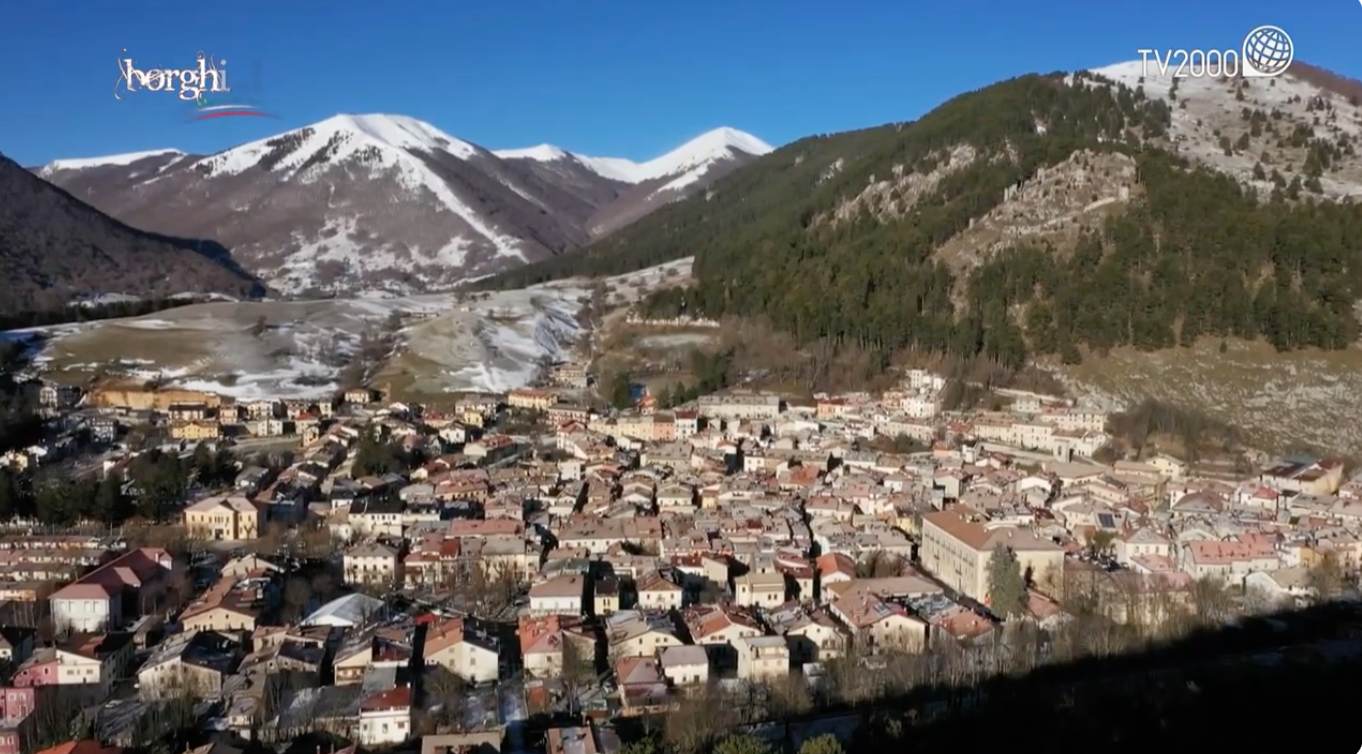
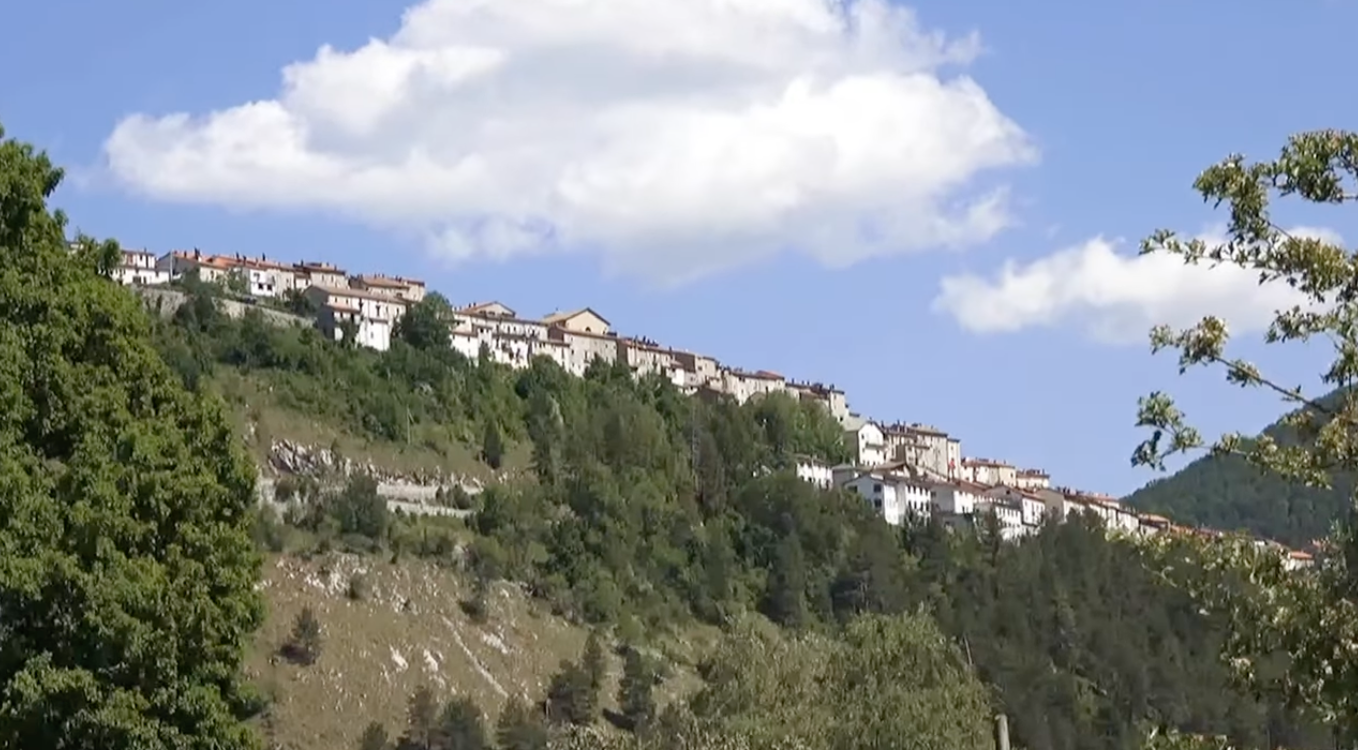
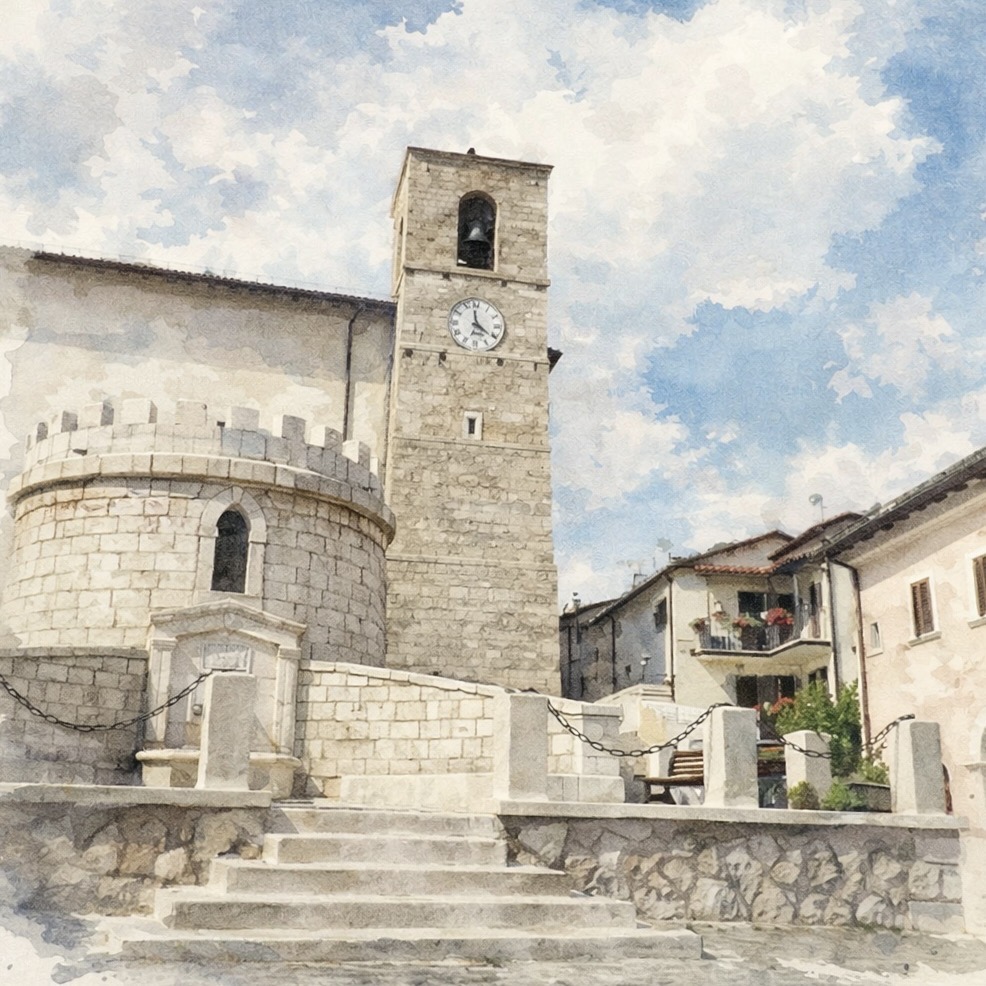
opi, italyThis last clip is a 6 minute video of Opi, Italy. My great great grandmother Filomenia Ursitti was born in this town in 1837. Click here to watch the video.

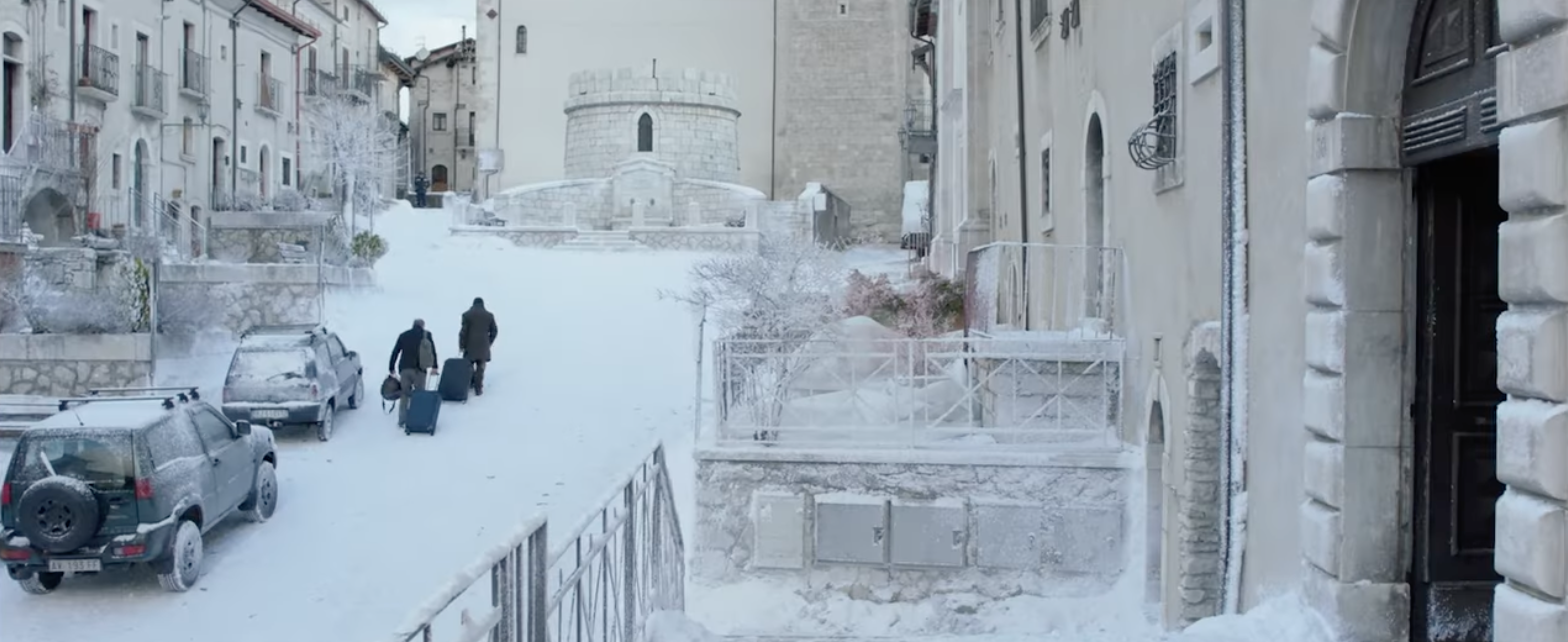
Finally in 2024 a movie was filmed in Opi and Pescasseroli show us what winters might be like. It’s called Un Monde A Parte (A World Apart). You can find it on Youtube. Click here for the trailer.


Dec30th2019

The Documents Can Wait

by  Phyllis Zeck

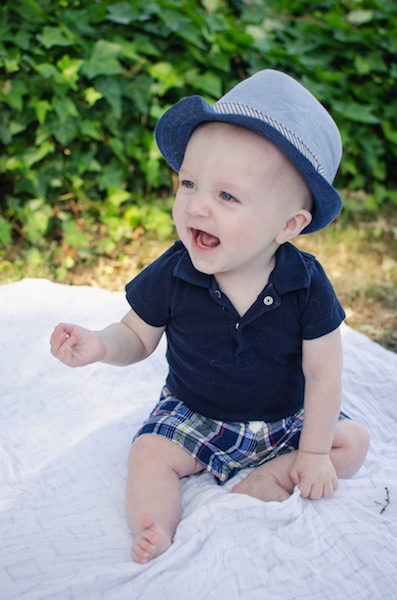
You see this cute little fellow?  He’s part of the reason that I haven’t had time for genealogy research this year. Kingston, my youngest grandchild, was born in January. I’m so lucky that we live close to each other and I babysit at least once a week. My house is a mini day care with high chair, changing table, a toy box bursting at the hinges, blocks, and trucks. I love every minute we spend together. The documents can wait.

Since Kingston’s mom is on vacation, I’m on vacation, and I’m cleaning up some of my research documents that have been waiting on my computer desktop to be shared. I ran across a few unexpected surprises in the docs.  

Click here to view my grandmother Bertha Del Principe petition for naturalization filed Aug 4, 1943. This record notes that Bertha’s eyes were green and she had a scar on her throat. The second page shows Bertha’s witnesses and has her signature. My daughter Ashley points out that perhaps Bertha was trying to disassociate herself from her place of birth due to WWII. Bertha was born April 22, 1901 in Hamburg, Germany.

My brother Tom remembers “Grandma Bertha’s witnesses were close friends of the Del Principe family. Mrs Esther Corbel lived across Harrison Street, in 1 of the 2 or 3 story houses that are long gone. Grandpa’s house had a huge first floor store front, and 4 apartments on the upper floors. Mom and Dad lived in Grandpa’s unit, and he rented out the unit facing Harrison St to Auntie Theresa & Uncle Gus. Uncle John, Aunt Jeanette and their family lived on the 3rd floor which also had a rental unit. The houses across the street were similar. There were shops on the corner so everyone saw one another all the time. Bertha’s other witness was Grandpa’s good friend Johnny DeLeo, who lived a few blocks south with his huge family. In between the DeLeos and the Del Principes was Saint Callistus Church and Catholic school which Mom & Auntie Phyllis attended. It once had fountains, gardens, chapel bells and flower beds. The church was closed long ago, and the buildings were empty for many years, The school Mom attended is now a private Christian Academy.”

I also found Emil Del Principe’s 1937 two page petition. Emil’s application renounces all allegiance to Victor Emmanuel III, King Of Italy.

Click here to read Onesto Ursitti’s Petition For Naturalization and his Declaration page. My 2nd great grandparents were Filomena Ursitti and Pietrantonio Ciolli. I’m still digging to find out how I’m related to Onesto. I was thrilled to see that Onesto’s Declaration of Intention has a photo of him! When searching for records I try to remember to look at the page before and after the document I’m looking at. When I turned the page for Onesto’s declaration, I stumbled upon one file for Vito Di Nella.  Hmmm, what other documents could I find for Vito? May as well pop over to Family Search’s website to see if they’ve scanned any of Vito’s docs. I’d fallen down the rabbit hole.

This set of documents is Cesidio Gerrardo Del Principe’s Declaration & Petition. Another photograph! I believe that Cesidio is the grandson of Vincenzo Del Principe. Pietro Del Principe (my great grandfather) and Vincenzo (1830-1888) were brothers. Vincenzo and his wife Lionarda Liboria Rossi had 4 children that I’ve been able to document: Giuseppe Donato (Daniel), Carmello Antonio, Leonardo, and Dominick. Giuseppe Donato (1863-1924) and Leonardo (1866-1946) resided in Pennsylvania. By the 1930 census Leonardo had moved to Chicago and lived at 2234 Irving Ave.

I have not yet been able to confirm that Cesidio Gerrardo’s grandparents were Vincenzo and Lionarda. Cesidio was married to Lucia (1885-1922) and they have at least 4 children: Mary, Joe, Della and Carmella. You can find more blog post about Vincenzo’s family by clicking his name in the “Categories” section. I will continue digging in the Naturalization documents to see what other ancestor’s photos I can uncover and will of course share them with you. Happy New Year to all!